🚀 Starship Makes Historic Orbital Flight
SpaceX achieves a major milestone with Starship's first orbital flight, deploying next-generation Starlink satellites and advancing toward deep-space exploration capabilities.
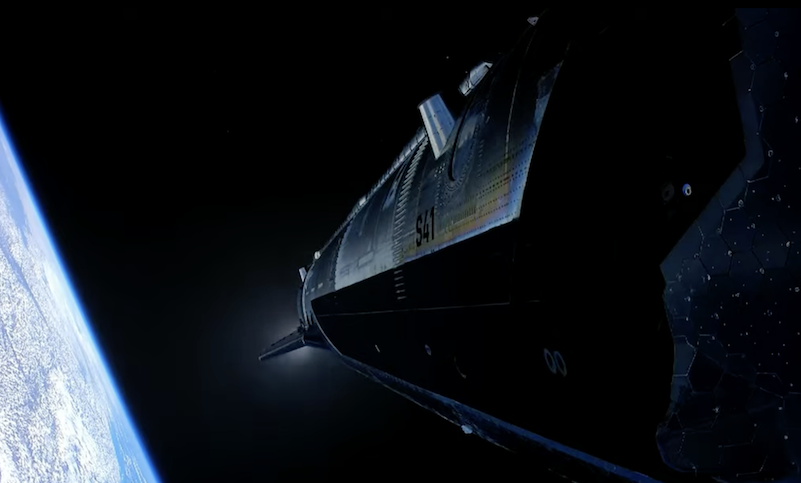
Historic Achievement
SpaceX successfully completed the first orbital flight of its Starship-Super Heavy launch system on September 28, marking a decade of development for the planned reusable deep-space transport. The lift-off occurred at 8:48 a.m. EDT from SpaceX's privately owned Starbase spaceport in southern Texas.
This orbital flight came exactly 18 years after SpaceX first reached orbit with its Falcon 1 rocket, an endeavor that nearly drove the startup out of business. Since then, the company has conducted more than 700 Falcon 9 flights and 13 suborbital test flights of Starship, which is designed to replace Falcon as SpaceX's primary launch vehicle.
Launch Performance
During Flight 14, the Super Heavy first stage, powered by 33 methane-fueled Raptor 3 engines, experienced one inner-ring engine failure approximately 1 minute and 25 seconds after liftoff. Despite this issue, the shutdown did not impact the booster's performance, and the Starship upper stage successfully separated about one minute later.
A second inner-ring engine failure occurred during the Super Heavy's boost-back burn, bringing the hardware to operational limits for controlled splashdown. SpaceX launch commentators reported the booster's successful soft splashdown in the ocean downrange from Boca Chica Beach, Texas, marking the first controlled splashdown for the Super Heavy Version 3 (V3) rocket, which had flown twice previous
Booster Recovery
Following splashdown, the Super Heavy booster exploded during what SpaceX described as a test of the automated flight termination system. This explosion occurred despite the successful splashdown, which represented a significant achievement in the recovery process for the massive first stage.
The Super Heavy V3 booster's recovery attempt follows SpaceX's established pattern of testing recovery procedures incrementally. Previous flights had focused on various aspects of the return trajectory, with this test representing the first successful splashdown under operational limits for the V3 version of the booster.
Starship Upper Stage
While the booster was handling its recovery, the Starship upper stage continued its climb toward its intended suborbital trajectory. During this ascent, one of the upper stage's six engines shut down approximately 30 seconds earlier than planned.
The remaining engines compensated for the loss by extending their burn duration. Despite this engine issue, the flight team initially considered skipping the planned orbital insertion burn that would put the vehicle into orbit for the first time.
Orbital Insertion
With the clock ticking toward the orbit insertion burn at 25 minutes and 17 seconds after liftoff, engineers quickly determined that the Raptor engine needed for the orbit insertion and subsequent deorbit was isolated from the engine that failed during ascent.
Starship is equipped with three sea-level Raptors fed from header tanks in the nosecone and three vacuum-optimized Raptors. Only a single sea-level Raptor is used for the orbit insertion and deorbit burns, allowing the mission to proceed despite the earlier engine failure.
“We were going to get the data that we wanted, so we made the call to do this earlier reentry.”
— Dan Huot, SpaceX mission commentator
By Chaos Lab · 妙答星球AI