🚀 Starship Achieves Orbit, Deploys Starlinks
SpaceX's Starship reaches orbit for the first time, deploying 26 Starlink V3 satellites, marking a decade of development and a step towards deep-space transport.
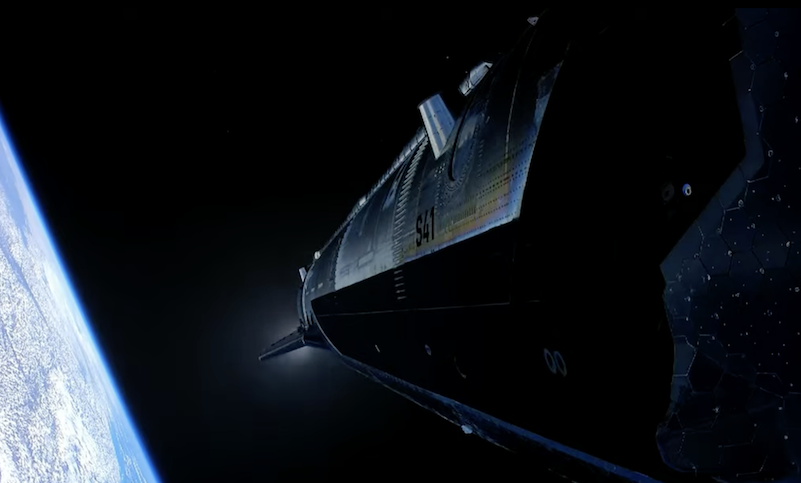
Starship's First Orbital Flight
SpaceX's decade-long development culminated in the first orbital flight of the Starship-Super Heavy launch system. The launch occurred from Starbase spaceport in Texas, marking 18 years since SpaceX's first orbital flight with Falcon 1 rocket.
Technical Details of the Flight
The Super Heavy booster experienced an engine failure, but it did not impact performance. The Starship upper stage separated successfully. Despite a premature engine shutdown, the remaining engines compensated, allowing the deployment of 26 Starlink V3 satellites into orbit.
Starlink Network Expansion
The deployed satellites are expected to add 26 Tbps to the Starlink network. SpaceX aims to fly up to 60 V3 Starlinks on Starship missions, equivalent to the capacity of 20 Falcon 9 missions.
Early Reentry and Splashdown
The mission was brought back early, with Starship's deorbit burn occurring at 11:01 a.m. EDT. The vehicle splashed down into the Pacific Ocean north of Hawaii, about 6.5 hours earlier than planned. However, the vehicle did not survive impact.
NASA's Involvement and Future Missions
NASA, which hired SpaceX for lunar missions under the Artemis program, praised SpaceX's achievement. The first crewed mission under Artemis is planned for early 2028.
“Gorgeous launch, getting Ship to orbit and managing every step in a safe, responsible, and especially inspirational way.”
— NASA Administrator Jared Isaacman
By Chaos Lab · 妙答星球AI